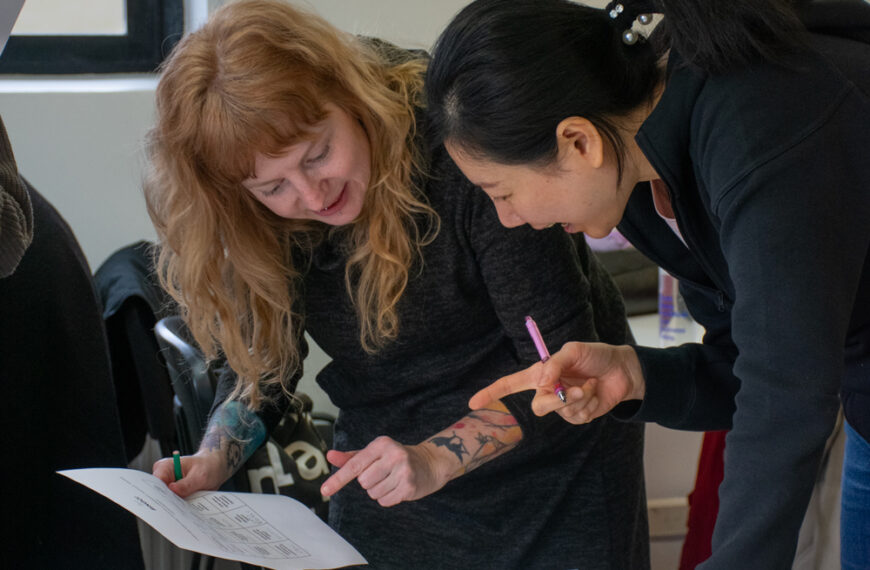

Looking for a speaking activity that gets students talking, collaborating, and discovering new culture?
The National dish challenge is a fun group exercise for A2–B1 learners that takes 30–40 minutes and builds vocabulary, speaking, and explaining skills while exploring local food.
It combines language practice and host country culture appreciation. It can even be turned into a cooking contest if your tudents are up for it!
Cover photo: Pexels
Activity contributed by: TS / Miguel Mariscal
Group exercise
Learning objectives:
- Practicing vocabulary and explaining processes
- Learning about local food
Instructions for this exercise
Divide your students in small groups. Each one in the group uses their phone, if they have one, or classroom computers if they are available, to look up a typical dish from the region they are living in. If they can’t look it up on the Internet, they can be given options by the teacher or try to remember one they have tried.
They have to discuss which one is the best, and find a good recipe, which they will later present to the rest of the class, along with where the ingredients can be found.
Tip: When all presentations have been done, the students can vote for the best recipe, and even try to prepare it at home an bring it to the next class.
Once the group decides on a dish, they’ll have to present it answering at least these questions:
Why did you choose the dish?
Was it the tastiest? the easiest to cook? the most similar to your country’s gastronomy?
Where can you find the ingredients?
Can they all be found in a supermarket? Can you go to the countryside and gather any of them freely?
How do you cook it?
Did you find a recipe from a famous chef? is it the traditional recipe, or is it modified? Can you add an ingredient widely used in your country for a twist?
Kansallisruokahaaste
Etsitkö puheharjoitusta, joka saa oppilaat puhumaan, tekemään yhteistyötä ja tutustumaan uusiin kulttuureihin?
Kansallisruokahaaste on hauska ryhmäharjoitus A2–B1-tason oppijoille. Se kestää 30–40 minuuttia ja kehittää sanastoa, puhumista ja selittämistä samalla kun tutustutaan paikalliseen ruokaan.
Harjoitus yhdistää kieliharjoittelun ja isäntämaan kulttuurin arvostamisen. Siitä voi jopa tehdä kokkauskilpailun, jos oppilaasi ovat siihen valmiita!
Kansikuva: Pexels
Aktiviteetin tuottanut: TS / Miguel Mariscal
Harjoitus koko ryhmälle
Oppimistavoitteet:
- Sanastoharjoittelu ja prosessien selittäminen
- Paikallisesta ruoasta oppiminen
Harjoituksen ohjeet
Jaa opiskelijat pienryhmiin. Jokainen ryhmä käyttää puhelinta tai tietokonetta etsiäkseen jonkin tyypillisen ruoan alueelta, jossa he nyt asuvat. Jos nettiä ei voi käyttää, opettaja voi myös antaa valmiita vaihtoehtoja tai pyytää opiskelijoita muistelemaan ruokia, joita he ovat kokeilleet.
Ryhmän täytyy yhdessä keskustella siitä, mikä paikallisruoista on paras. Tämän jälkeen he etsivät sen reseptin, jonka he esittelevät myöhemmin muulle ryhmälle. Samalla he kertovat, mistä reseptin raaka-aineita voi hankkia.
Vinkki opettajille: Kun kaikki esitykset on pidetty, opiskelijat voivat äänestää parhaan reseptin. Halutessaan he voivat myös valmistaa sitä kotona ja tuoda mukaan seuraaville tunneille.
Kun ryhmä on valinnut ruokalajin, he valmistautuvat esittelemään sen muille. Esityksessä heidän pitäisi vastata ainakin seuraaviin kysymyksiin:
Miksi tämä ruoka valittiin?
Oliko se herkullisin? Helpoin valmistaa? Oliko se samanlainen kuin jokin ruoka kotimaastasi?
Mistä voi löytää ainekset?
Löytyvätkö kaikki ainekset supermarketista? Onko reseptissä jotain, mitä voit esim. kerätä itse luonnosta?
Miten ruoka valmistetaan?
Onko reseptin kirjoittanut joku kuuluisa kokki? Onko se perinteinen resepti, tai onko sitä muokattu jotenkin? Voiko ruokaan lisätä jotakin tyypillistä kotimaastasi vaihtelun vuoksi?
Le défi du plat national
Vous recherchez une activité orale qui encourage les apprenants à discuter, à collaborer et à découvrir une nouvelle culture ?
Le défi du plat national est un exercice de groupe ludique destiné aux apprenants de niveau A2–B1. D’une durée de 30 à 40 minutes, il permet d’enrichir le vocabulaire et de développer les compétences d’expression orale et d’explication, tout en découvrant la cuisine locale.
Cette activité associe la pratique de la langue à la découverte de la culture du pays d’accueil. Elle peut même être transformée en concours de cuisine si vos apprenants sont partants !
Photo de couverture : Pexels
Activité proposée par : TS / Miguel Mariscal
Exercice en groupe
Objectifs d’apprentissage :
- Enrichir son vocabulaire et apprendre à expliquer différentes étapes
- Découvrir la cuisine locale
Consignes pour cet exercice
Répartissez les apprenants en petits groupes. Dans chaque groupe, une personne utilise son téléphone, si elle en possède un, ou un ordinateur de la salle, s’il y en a, afin de rechercher un plat typique de la région dans laquelle ils vivent. S’ils ne peuvent pas effectuer de recherche sur Internet, le formateur peut leur proposer plusieurs options. Ils peuvent également essayer de se souvenir d’un plat qu’ils ont déjà goûté.
Les apprenants doivent discuter afin de choisir le meilleur plat et de trouver une bonne recette. Ils la présenteront ensuite au reste de la classe, en précisant où trouver les ingrédients.
Astuce: Une fois toutes les présentations terminées, les apprenants peuvent voter pour la meilleure recette. Ils peuvent même essayer de la préparer chez eux et l’apporter au cours suivant.
Une fois que le groupe a choisi un plat, il doit le présenter en répondant au minimum aux questions suivantes :
Pourquoi avez-vous choisi ce plat ?
Était-ce le plus savoureux ? Le plus facile à préparer ? Celui qui ressemble le plus à la gastronomie de votre pays ?
Où pouvez-vous trouver les ingrédients ?
Peut-on tous les trouver dans un supermarché ?
Pouvez-vous aller à la campagne et cueillir gratuitement certains d’entre eux ?
Comment préparez-vous ce plat ?
Avez-vous trouvé la recette d’un chef célèbre ?S’agit-il de la recette traditionnelle ou a-t-elle été modifiée ? Pouvez-vous ajouter un ingrédient couramment utilisé dans votre pays afin d’apporter une touche originale ?
Regionale Gerichte entdecken
Suchst du nach einer Sprechübung, bei der die Schüler:innen ins Gespräch kommen, zusammenarbeiten und neue Kulturen entdecken?
Hier ist eine unterhaltsame Gruppenübung für Lernende der Niveaustufen A2–B1, die 30–40 Minuten dauert und den Wortschatz sowie die Ausdrucks- und Erklärungsfähigkeiten fördert, während die Teilnehmer:innen lokale Gerichte entdecken.
Es verbindet Sprachpraxis mit dem Kennenlernen der Kultur des Gastlandes. Es lässt sich sogar in einen Kochwettbewerb verwandeln, wenn Ihre Schüler:innen Lust darauf haben!
Titelbild: Pexels
Beitrag von: TS / Miguel Mariscal Ruiz
Gruppenübung
Lernziele:
- Vokabeln üben und Abläufe erklären
- Mehr über regionale Lebensmittel erfahren
Anleitung für diese Übung
Teilen Sie Ihre Lernenden in kleine Gruppen ein. Jeder in der Gruppe nutzt sein Handy oder die Computer im Klassenzimmer, falls vorhanden, um ein typisches Gericht aus der Region zu recherchieren, in der er lebt. Falls sie es nicht im Internet finden können, kann die Lehrkraft ihnen Vorschläge machen oder sie können versuchen, sich an ein Gericht zu erinnern, das sie schon einmal probiert haben.
Sie müssen darüber diskutieren, welches das beste ist, und ein gutes Rezept finden, das sie später dem Rest der Klasse vorstellen werden zusammen mit der Angabe, wo die Zutaten erhältlich sind.
Tipp für Lehrkräfte: Wenn alle Präsentationen gehalten wurden, können die Schüler:innen über das beste Rezept abstimmen und es sogar zu Hause ausprobieren und zur nächsten Unterrichtsstunde mitbringen.
Sobald sich die Gruppe für ein Gericht entschieden hat, muss sie dieses vorstellen und dabei mindestens folgende Fragen beantworten:
Warum hast du dich für dieses Gericht entschieden?
Klingt es am leckersten? Am einfachsten zuzubereiten? Das, das der Küche deines Landes am ähnlichsten ist?
Wo findet man die Zutaten?
Gibt es sie alle im Supermarkt? Findet man diese in der Natur?
Wie bereitet man es zu?
Hast du ein berühmtes Rezept gefunden? Handelt es sich um das traditionelle Rezept oder um eine abgewandelte Version? Kannst du eine Zutat hinzufügen, die in deinem Land häufig verwendet wird, um demGericht eine besondere Note zu verleihen?