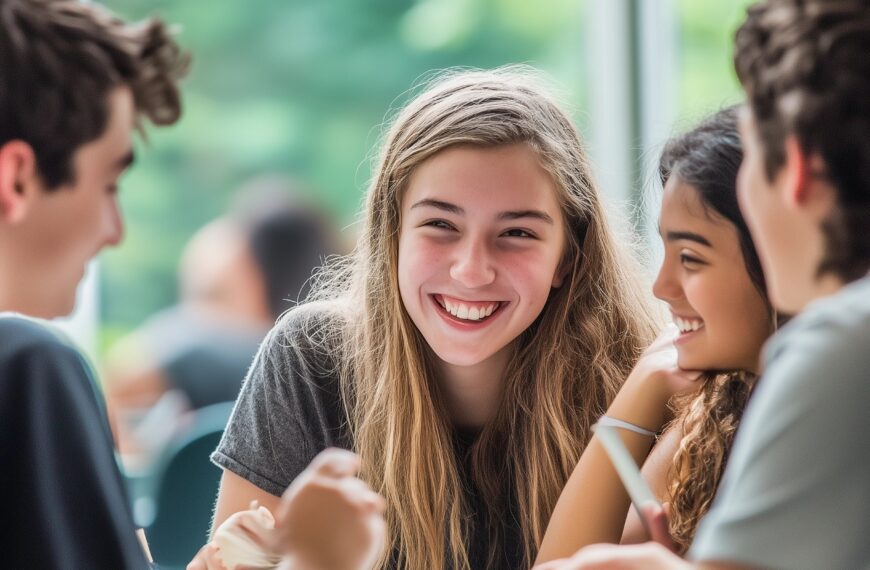
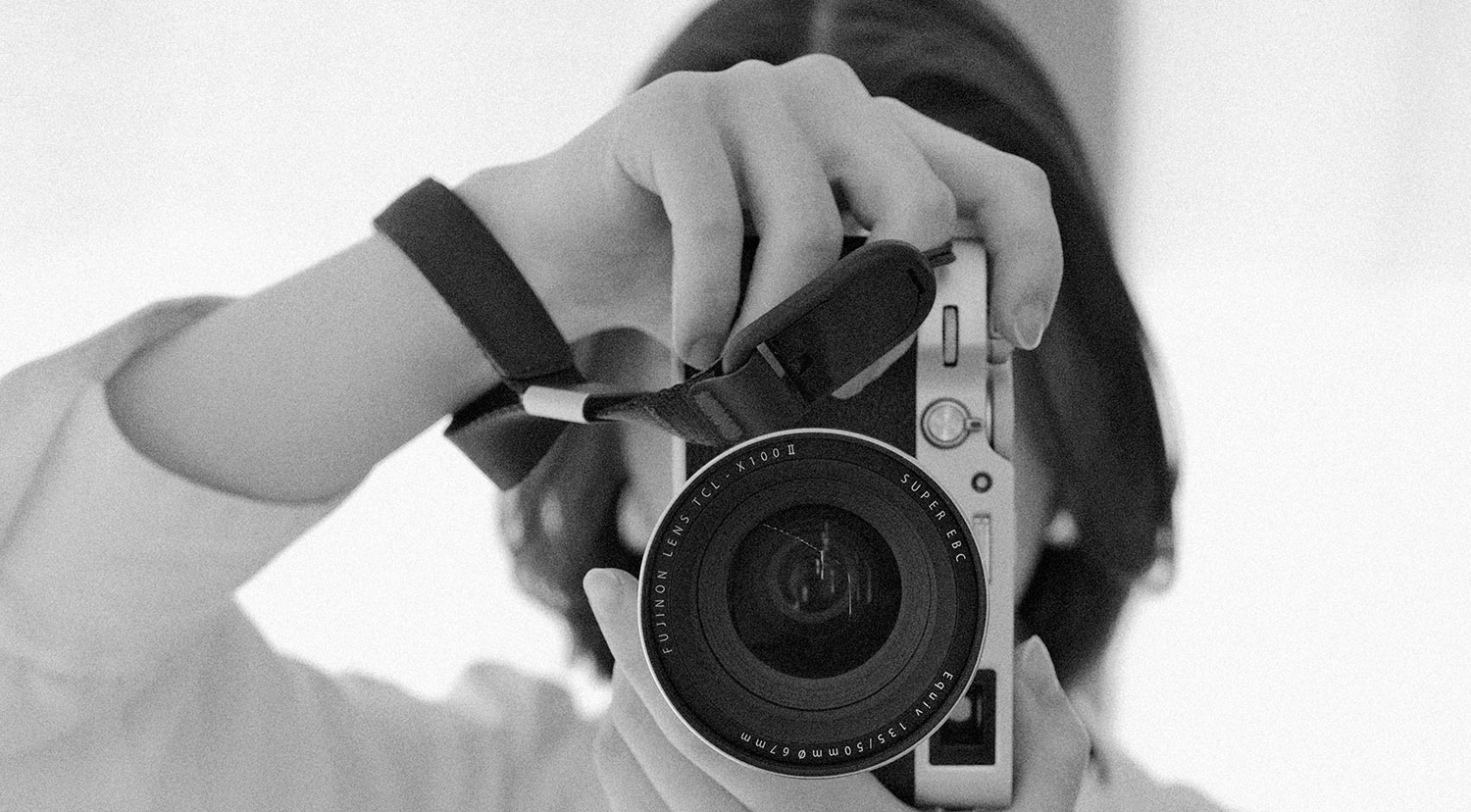
A photo is worth a thousand words. But the conversation before you take it? That’s where the real learning happens.
In Let’s Take a Photo!, pairs receive a list of titles and go out to capture them. Before every single photo, learners must discuss: What does this title mean to us? What will be in the frame? Why does this fit? Is there another way to see it?
The discussion before taking the photo is where the real language learning happens: learners must negotiate meaning, describe their ideas, ask questions, and justify their choices.
Because sometimes the best language practice doesn’t feel like language practice at all. It feels like taking a walk with a friend and seeing the world a little differently.
Cover image: Pexels
Activity contributed by: Emma Brösel / bit schulungscenter
Pair exercise
Learning objectives:
- Negotiate and discuss ideas
- Ask and respond to questions within a creative task
Instructions for this exercise
Students form pairs. Each pair receives a list of photo titles and must discuss, decide, and capture images with their smartphones that match the titles.
Before taking any photo, each pair must discuss the following questions:
- Is there another way we could interpret this title?
- What does this title mean to us? How do we interpret it?
- What will be in the photo? Where will we take it?
- Who or what will be the main subject?
- Why do we think this photo fits the title?
Sharing and Reflecting
After the photo-taking phase, pairs can share their photos with another pair. For each photo, they explain:
- What the title was
- How they interpreted it
- Why they chose this particular scene or object
The other pair can agree, disagree, or suggest alternative interpretations.
Tip for teachers: Photo gallery. Print or display the photos as a classroom gallery. Add the title and a one-sentence explanation by the pair. Other learners can vote for their favourite interpretation or write a comment.
Otetaan kuva!
Yksi kuva vastaa tuhatta sanaa. Mutta keskustelu ennen kuvan ottamista? Se on se hetki, jolloin oikea oppimien tapahtuu.
Tässä Otetaan kuva! -harjoituksessa pari saa listan otsikoita ja lähtee toteuttamaan niitä. Ennen jokaista kuvaa parin täytyy keskustella siitä, mitä kuvan nimi tarkoittaa heille, mitä kuvassa näkyy, miksi kuva sopii nimeen ja voisiko saman asian nähdä jollakin toisella tavalla.
Keskustelu ennen kuvan ottamista on hetki, jolloin todellinen kielenoppiminen tapahtuu: oppijoiden täytyy neuvotella merkityksistä, kuvailla ideoitaan, kysyä sekä perustella valintojaan.
Koska joskus paras kielenoppimisharjoitus ei tunnu lainkaan harjoitukselta. Se tuntuu kuin lähtisi kävelylle ystävän kanssa ja näkisi maailman hieman eri tavalla.
Kansikuva: Pexels
Harjoituksen tuottanut: Emma Brösel / bit schulungscenter
Pariharjoitus
Oppimistavoitteet:
- Ideoista neuvottelu ja keskustelu
- Kysyminen ja vastaaminen luovan tehtävän ohella
Harjoituksen ohjeet
Opiskelijat muodostavat pareja. Jokainen pari saa listan kuvien nimistä, ja heidän tehtävänään on keskustelun kautta ottaa kuvia, jotka vastaavat mahdollisimman hyvin heille annettuja nimiä.
Ennen kuvien ottamista parien täytyy keskustella seuraavista asioista:
- Voisimmeko tulkita otsikon jollakin toisella tavalla?
- Mitä tämä otsikko tarkoittaa meille? Miten voimme tulkita sen?
- Mitä kuvassa on? Missä kuva otetaan?
- Kuka tai mikä on pääosassa?
- Miksi kuva sopii mielestämme sille annettuun nimeen?
Jakaminen ja reflektointi
Kuvien ottamisen jälkeen parit voivat jakaa kuvansa toisen parin kanssa. Jokaisen kuvan kohdalla he selittävät:
- Mikä kuvan nimi oli?
- Miten he tulkitsivat sen?
- Miksi he valitsivat juuri tämän näkymän tai kohteen?
Toinen pari voi olla samaa mieltä, eri mieltä tai ehdottaa vaihtoehtoista tulkintaa.
Vinkki opettajille: Kuvagalleria. Tulosta tai näytä kuvat ryhmän kuvagallerian muodossa. Liitä kuviin otsikko sekä yhden lauseen selitys parilta. Muut voivat äänestää suosikkitulkintansa tai kirjoittaa kommentteja.
Prenons une photo !
Une image vaut mille mots. Mais la conversation avant de la prendre ? C’est là que le véritable apprentissage commence.
Dans Prenons une photo !, les binômes reçoivent une liste de titres et partent les capturer. Avant chaque photo, les apprenants doivent discuter : Que signifie ce titre pour nous ? Que montrera l’image ? Pourquoi cela correspond-il ? Existe-t-il une autre interprétation ?
La discussion avant la prise de photo est le cœur de l’apprentissage : les élèves doivent négocier le sens, décrire leurs idées, poser des questions et justifier leurs choix.
Parce que parfois, la meilleure pratique de la langue ne ressemble pas à un exercice de langue. Elle ressemble à une promenade avec un ami et à une nouvelle façon de voir le monde.
Photo de couverture : Pexels
Exercice réalisé par: Emma Brösel / bit schulungscenter
Travail en binôme
Objectifs d’apprentissage :
- Négocier et discuter des idées
- Poser et répondre à des questions dans une tâche créative
Instructions pour cet exercice
Les élèves se mettent en binômes. Chaque binôme reçoit une liste de titres de photos et doit en discuter, décider et prendre des photos avec leurs smartphones qui correspondent à ces titres.
Avant de prendre chaque photo, les élèves doivent discuter des questions suivantes :
- Existe-t-il une autre façon d’interpréter ce titre ?nvient ?“
- Que signifie ce titre pour nous ? Comment l’interprétons-nous ?
- Que montrera la photo ? Où allons-nous la prendre ?
- Qui ou quoi sera le sujet principal ?
- Pourquoi pensons-nous que cette photo correspond au titre ?
Partage et réflexion
Après la phase de prise de photos, les binômes peuvent partager leurs photos avec un autre binôme. Pour chaque photo, ils expliquent :
- Quel était le titre
- Comment ils l’ont interprété
- Pourquoi ils ont choisi cette scène ou cet objet en particulier
L’autre binôme peut être d’accord, ne pas être d’accord, ou proposer d’autres interprétations.
Conseil pour les enseignants : réalisez une galerie photo !
Imprimez ou affichez les photos sous forme de galerie en classe. Ajoutez le titre et une phrase d’explication rédigée par le binôme. Les autres élèves peuvent voter pour leur interprétation préférée ou écrire un commentaire.
Lass uns ein Foto machen!
Ein Bild sagt mehr als tausend Worte. Aber das Gespräch, bevor man es aufnimmt? Da findet das eigentliche Lernen statt.
Bei „Lass uns ein Foto machen!“ erhalten die Paare eine Liste mit Begriffen und machen sich auf den Weg, um diese fotografisch festzuhalten. Vor jeder einzelnen Aufnahme müssen die Lernenden besprechen: Was bedeutet dieser Begriff für uns? Was wird im Bild zu sehen sein? Warum passt das? Gibt es noch eine andere Sichtweise darauf?
Das Gespräch vor dem Fotografieren ist der Moment, in dem das eigentliche Sprachenlernen stattfindet: Die Lernenden müssen sich über die Bedeutung austauschen, ihre Ideen beschreiben, Fragen stellen und ihre Entscheidungen begründen.
Denn manchmal fühlt sich das beste Sprachtraining gar nicht wie Sprachtraining an. Es fühlt sich an, als würde man mit einem Freund spazieren gehen und die Welt ein bisschen anders sehen.
Titelbild: Pexels
Beitrag von: Emma Brösel / bit Schulungscenter
Paarübung
Lernziele:
- Ideen diskutieren und besprechen
- Fragen bearbeiten im Rahmen einer kreativen Aufgabe
Anleitung für diese Übung
Die Lernenden bilden Paare. Jedes Paar erhält eine Liste mit Bildtiteln und muss gemeinsam besprechen, entscheiden und mit dem Smartphone Bilder aufnehmen, die zu diesen Titeln passen.
Bevor ein Foto gemacht wird, muss jedes Paar die folgenden Fragen besprechen:
- Gibt es noch eine andere Möglichkeit, diesen Titel zu interpretieren?Wetter für dich?“
- Was bedeutet dieser Titel für uns? Wie interpretieren wir ihn?
- Was wird auf dem Foto zu sehen sein? Wo werden wir es aufnehmen?
- Was wird das Hauptthema sein?
- Warum finden wir, dass dieses Foto zum Titel passt?
Austausch und Reflexion
Nach dem Fotografieren können die Paare ihre Fotos mit einem anderen Paar austauschen. Zu jedem Foto erklären sie:
- Wie der Titel lautet
- Wie sie es interpretierten
- Warum sie sich für genau diese Szene oder dieses Objekt entschieden haben
Das andere Paar kann zustimmen, widersprechen oder alternative Interpretationen vorschlagen.
Tipp für Lehrkräfte: Fotogalerie.
Drucken Sie die Fotos aus und hängen Sie sie als Fotogalerie auf. Fügen Sie den Titel und eine einzeilige Erklärung des Paares hinzu. Andere Lernende können für ihre Lieblingsinterpretation stimmen oder einen Kommentar schreiben.
¡Vamos a sacarnos una foto!
Una imagen vale más que mil palabras. Pero ¿la conversación antes de sacarla? Ahí es donde está el aprendizaje.
en ¡Vamos a sacar una foto! las parejas reciben una lista de títulos y can a hacer las fotos. Antes de cada foto, los alumnos deben hablar sobre lo que significa para ellos la imagen, qué habrá en el encuadre, por qué encaja con el título y si hay alternativas.
El debate antes de sacar la foto es donde realmente se aprende. Los alumnos deben negociar el significado, describir sus ideas, hacer preguntas y justificar sus elecciones.
Porque a veces la mejor práctica no parece práctica como tal. Se parece más a dar un paseo con un amigo y ver el mundo desde otra perspectiva.
Imagen: Pexels
Actividad aportada por: Emma Brösel / bit schulungscenter
Trabajo por parejas
Objetivos de aprendizaje:
- Negociar y debatir ideas
- Hacer y responder preguntas en una tarea creativa
Instrucciones del ejercicio
Los alumnos forman parejas. cada una recibe una lista de fotos y tienen que debatir, decidir, y capturar imágenes con sus móviles que correspondad a los nombres de la lista.
Antes de sacar fotos, las parejas deben decidir:
- ¿Qué significa el título para nosotros? ¿Cómo lo interpretamos?
- ¿Qué habrá en la foto? ¿Dónde la sacamos?
- ¿Qué o quién será el protagonista?
- ¿Por qué creemos que encajará con el nombre de la foto?
- ¿Se podría interpretar de otra forma el título?
Compartir y reflexionar
Tras sacar las fotos, las parejas pueden compartir sus fotos con otra pareja. Para cada una tienen que explicar:
- Cuál era el título
- Cómo lo han interpretado
- Por qué han elegido ese escenario en particular para el objeto.
La otra pareja puede mostrarse de acuerdo o en desacuerdo, y sugerir otras opciones.
Consejo para profes: Galería de fotos.Imprime o presenta las fotos como una galería. Añade los títulos y una explicación de una frase de los autores. Los demás pueden votar su interpretación favorita o hacer sugerencias.